YOU CAN BE WHAT YOU CAN SEE


Cognia
Authorization code: No. 324630
Cambridge Assessment International Education (CAIE), UK
Authorization code: CX316
Universities and Colleges Admissions Service
Authorization code: 41769
Edexcel, UK Examination Board
Authorization code: 90638
AQA Examination Board, Oxford, UK
Authorization code: 96034
Authoritative
Authorization code: 396522
Flag-raising ceremony speech | 15th week flag-raising ceremony
Flag-raising ceremony of the 15th week
2025-05-29

Hosts
Wang Yige Thomas / Wu Zhuoyang Stella
National Flag Speech
Speech Under the National Flag
Student Representative
Student Representative
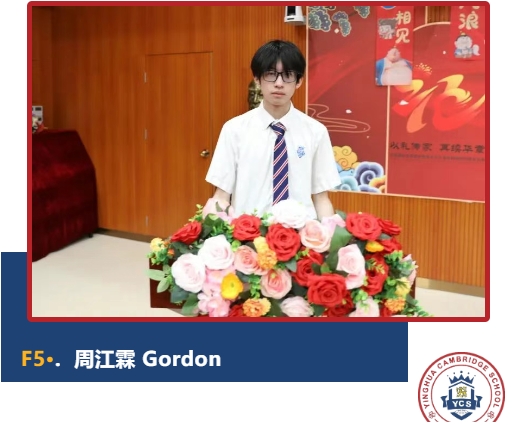
Traditional Chinese Colors:
A Story of Beauty and Meaning
Today, I want to take you on a journey through the beautiful world of traditional Chinese colors. These colors are not just pretty—they carry thousands of years of history, culture, and wisdom. Let’s explore three simple but amazing parts: their roots in nature, their poetic names, and their role in our lives today.
Part 1: Colors from Nature and Philosophy
In ancient China, people believed five colors—blue, red, yellow, white, and black—were connected to the five elements: wood, fire, earth, metal, and water. These colors were seen as the “building blocks” of the universe.
Blue (青, qīng): Representing wood and spring, it symbolizes new life, like young bamboo shoots or the dawn sky. In Chinese art, blue-green landscapes represent harmony with nature.
Red (赤, chì): Associated with fire and summer, red signifies luck, joy, and bravery, and is prominently featured in festivals, weddings, and the Chinese flag.
Yellow (黄, huáng): Representing earth and the center, it was once exclusively worn by emperors, symbolizing power and enlightenment. These colors transcended mere decoration, conveying balance, respect for nature, and the cyclical nature of life.
Part 2: Colors with Poetic Names
Chinese colors have names that sound like poems! For example:
“Sky Blue after Rain” (天青, tiān qīng): Evoking the clear blue sky after a rainstorm, this color is famously used in Song Dynasty porcelain.
“Sunset Glow” (暮山紫, mù shān zǐ): A purplish hue inspired by the mountains at dusk, named by a poet 1300 years ago.
“Mountain Mist White” (东方既白, dōng fāng jì bái): The soft white of dawn, symbolizing hope.
These names show how ancient artists found beauty in everyday moments—sunrises, flowers, and even a cup of tea.
Part 3: Colors in Modern Life
Traditional colors are still alive today!
Fashion: Designers use colors like “Peony Red” and “Bamboo Green” in clothes. In 2022, a dress dyed with ancient plant colors became a social media hit.
Technology: Apps and websites use traditional palettes. For example, “China Red” is a popular theme color for phones.
Art: Young artists mix old and new. One painter spent 7 years rediscovering how to dye fabric with plants like indigo and safflower.
These colors remind us to respect nature and cherish our culture.
Conclusion: Colors Connect Us
Friends, traditional Chinese colors are like a bridge—connecting the past and present, nature and humans. They teach us to see beauty in small things: a leaf, a sunset, or a brushstroke. Next time you see red lanterns, a blue porcelain vase, or even a yellow school bus, remember: these colors carry stories older than your grandparents! Let’s learn from them, protect them, and add our own colors to this amazing tradition.
Traditional Chinese Colors: A Millennial Story of Beauty and Meaning
Today, I want to take you on a journey into the magnificent world of traditional Chinese colors. These colors are not only a visual feast, but also carry thousands of years of history, culture, and wisdom. Let's explore their mysteries from three dimensions: colors originating from nature and philosophy, the beauty of poetic names, and their vibrant continuation in modern life.
1. Colors Originating from Nature and Philosophy
The ancients used the “five colors”—blue, red, yellow, white, and black—corresponding to the “five elements” (wood, fire, earth, metal, and water), viewing them as the constituent elements of the universe.
- Blue (青, qīng): Symbolizing rebirth, like the fresh green of bamboo shoots or the dawn sky. The blue-green hues in landscape paintings embody the concept of 'harmony between humanity and nature'.
- Red (赤, chì): A vibrant color representing good fortune, courage, and joy. It's a common sight at festivals, weddings, and on the Chinese national flag.
- Yellow (黄, huáng): The imperial color, representing the center and worn exclusively by emperors, symbolizing power and illumination.
The five-color system is not only a visual symbol, but also a philosophical encoding of the ancients' understanding of natural laws and the cycle of life.
2. The Aesthetics of Poetic Naming in the East
The names of traditional Chinese colors are themselves concise poems:
- Sky Blue: Imagine the clear blue sky after a rain shower. This color was used in famous porcelain from the Song Dynasty.
- Sunset Purple: A purple hue inspired by the mountains at dusk, captured by a poet 1300 years ago from the purple mist among the sunset mountains, solidified into the artistic conception of ink and wash painting.
- Dawn White: The pale white of dawn in Su Shi's Red Cliff Ode , implying the philosophical thoughts of the beginning of heaven and earth.
These color names condense the beauty of the fleeting moments of the four seasons and the flourishing and withering of plants into eternal aesthetic images of the East.
3. The Contemporary Rebirth of Traditional Colors
Traditional colors are being revitalized today:
- In the fashion industry: Designers use traditional colors such as "Peony Red" and "Bamboo Green" in clothing. In 2022, a dress dyed with ancient plant-based methods became a social media hit.
- The Digital Age: The "Chinese Red" theme in mobile phone UIs and the "Stone Green" interface of the Forbidden City cultural and creative App allow traditional colors to permeate digital life.
- Inheritance of craftsmanship: Young artists blend traditional and modern elements together. For example, one painter spent seven years re-exploring how to dye fabrics using plants such as indigo and safflower.
These colors remind us to respect nature and cherish our culture.
Conclusion: Colors Connect Us
Friends, traditional Chinese colors are like a bridge, connecting the past and the present, nature and humanity. They teach us to discover beauty in the details: a leaf, a sunset, or the colors of a brushstroke. The next time you see a red lantern, blue and white porcelain, or even a yellow school bus, remember: these colors carry stories that are even older than our grandparents' generation! Let us learn from them, protect them, and let tradition add color to the present.
Teacher Representative
Teacher Representative

Say “No” to Procrastination
Have you ever found yourself putting off a task until the last minute, even though you knew it would just create more stress? Procrastination is something we’ve all dealt with at some point, whether it's avoiding homework, projects, or even simple chores. It seems easy in the moment, but procrastination often makes things much harder in the long run. Today, we’re going to talk about procrastination.
In this presentation, we’ll explore four main topics. First, we’ll define what procrastination is. Then, we’ll discuss its negative impacts on our lives. After that, we’ll look at some of the reasons behind it. Finally, I’ll share some strategies to help you break free from procrastination and become more productive.
I. Definition of Procrastination
Procrastination is the act of delaying or postponing tasks, even when we know we should be doing them. It's a common behavior that affects many people, especially students. Instead of starting an assignment or studying for a test, we often find ourselves doing other things, like watching TV, scrolling through social media, or playing video games. Procrastination usually happens because the task feels overwhelming, boring, or difficult, so we avoid it to escape the negative feelings it brings.
However, procrastination tends to make things worse.
II. Impact of Procrastination
One of the most common impacts is increased stress. When we delay important tasks, the pressure to complete them builds up, especially as deadlines approach. This stress can affect not only our mental health but also our physical health, leading to headaches, fatigue, and even sleep problems.
Another major impact of procrastination is poor performance. When we rush to finish tasks at the last minute, we’re less likely to put in our best effort. Procrastination can also damage our reputation, as others may see us as unreliable or uncommitted when we fail to meet expectations.
III. Reasons for Procrastination
One of the primary reasons for procrastination is the fear of failure. This fear can manifest as a lack of confidence in our abilities or a fear of making mistakes.
Another reason for procrastination is a lack of motivation. For instance, someone who dislikes doing household chores may find themselves putting off cleaning the house.
Poor time management is also a contributing factor to procrastination. When we fail to prioritize our tasks effectively or underestimate the time required to complete them, we end up feeling overwhelmed and postpone starting them.
IV. Strategies for Overcoming Procrastination
To overcome procrastination, several effective strategies can be employed,
Breaking tasks into manageable chunks is a practical strategy. This approach makes the task feel less daunting and increases the likelihood of getting started.
Creating a schedule and sticking to it is another valuable strategy. By allocating specific time slots for different tasks and setting deadlines, individuals can create a sense of accountability and structure. Following a schedule helps combat the temptation to put tasks off until the last minute, ensuring they are completed in a timely manner.
Eliminating distractions is crucial for maintaining focus and avoiding procrastination. Common distractions include social media, excessive internet browsing, or engaging in unrelated activities. By consciously minimizing these distractions and creating a conducive environment for work, individuals can stay focused and committed to their tasks.
Positive self-talk is a powerful tool in combating procrastination. For example, instead of thinking, "I can't do this," they can replace it with a more positive and empowering thought such as, "I am capable of overcoming challenges." This shift in mindset can make it easier to take action.
However, self-reward is an effective strategy for overcoming procrastination. Rewarding ourselves upon task completion can reinforce positive behavior and further motivate us to overcome procrastination.
Let’s say “NO” to procrastination!
Say "No" to Procrastination
Have you ever found yourself putting off a task until the last minute, even though you knew it would just create more stress? Procrastination is something we’ve all dealt with at some point, whether it's avoiding homework, projects, or even simple chores. It seems easy in the moment, but procrastination often makes things much harder in the long run. Today, we’re going to talk about procrastination.
Next, we will explore four main topics. First, we will define procrastination. Then, we will discuss its negative impacts on our lives. Next, we will analyze some of the reasons for procrastination. Finally, I will share some strategies to help everyone overcome procrastination and improve efficiency.
I. Introduction to Procrastination
Procrastination, as the name suggests, is the act of delaying or postponing tasks, even when we know we should be acting. This is a common phenomenon, especially among students. We should be starting our assignments or studying for exams, but we often find ourselves distracted by other things, such as watching TV, browsing social media, or playing games. Procrastination usually happens because the task feels overwhelming, boring, or difficult, so we avoid it to escape the negative emotions it brings. However, procrastination often makes things worse.
II. The Impact of Procrastination
The most common impact is increased stress. When we repeatedly postpone important tasks, the pressure to complete them builds up as deadlines approach. This stress not only affects our mental health but also our physical health, leading to headaches, fatigue, and even sleep problems.
Another significant impact of procrastination is poor performance. When we rush to complete tasks at the last minute, we are less likely to give our best effort. Furthermore, procrastination can damage our reputation, as others may perceive us as unreliable or irresponsible when we fail to meet their expectations.
III. Causes of Procrastination
One of the primary causes of procrastination is the fear of failure. This fear may manifest as a lack of confidence in one's abilities or a fear of making mistakes.
Another reason for procrastination is a lack of motivation. For example, someone who dislikes housework may find themselves constantly putting off cleaning their room.
Poor time management is also a contributing factor to procrastination. If we fail to prioritize tasks effectively or underestimate the time required to complete them, we may end up feeling overwhelmed and thus postpone starting the tasks.
IV. Strategies to Overcome Procrastination
To overcome procrastination, we can adopt several effective strategies:
Breaking down tasks into manageable chunks is a practical strategy. This approach can make tasks seem less daunting and increase the likelihood of us taking action.
Making a plan and sticking to it is another valuable strategy. By allocating specific time slots for different tasks and setting deadlines, we can build a sense of accountability and structure. Following the plan helps resist the temptation to postpone tasks to the last minute, ensuring that we can complete them on time.
Eliminating distractions is crucial for maintaining focus and avoiding procrastination. Common distractions include social media, excessive internet browsing, or engaging in irrelevant activities. By consciously reducing these distractions and creating a conducive work environment, we can stay focused and committed to completing tasks.
Positive self-talk is a powerful tool in overcoming procrastination. For example, instead of thinking "I can't do it," replace it with more positive and empowering thoughts, such as "I am capable of overcoming challenges." This shift in mindset can make it easier for us to take action. Furthermore, self-reward is an effective strategy for overcoming procrastination. Rewarding ourselves after completing tasks can reinforce positive behavior and further motivate us to overcome procrastination.
Let's say "no" to procrastination together!
Previous Page:
Zhuhai • Xiangzhou District • No. 1 Pingxi Road
Cradle of World Famous Schools


Online Message